
INTERIOR DOORS
We provide a wide range of stylish and durable interior doors crafted from quality materials like wood, glass, and MDF. Whether for renovations or new builds, our doors are designed to enhance any space with lasting beauty and function.

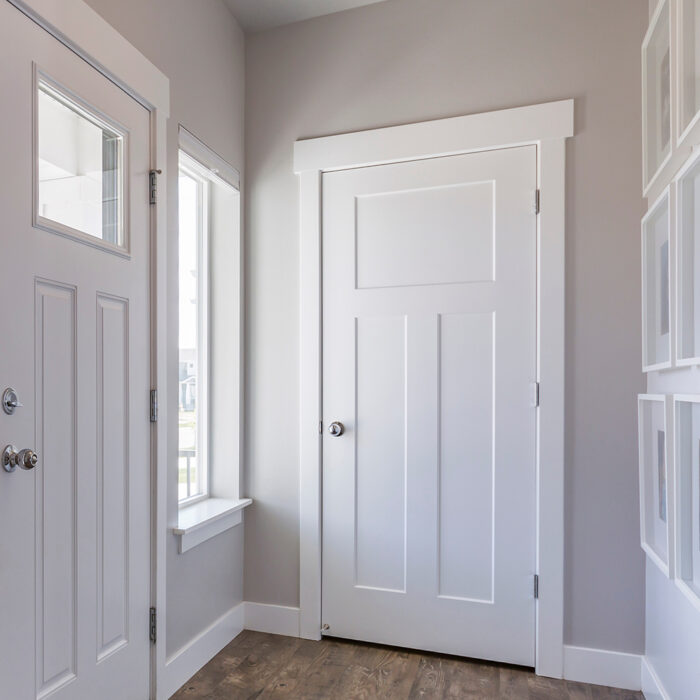
Shaker doors
Elegance Meets Functionality Interior
How Independent Betting Operators Shaped the UK Gambling Market, According to Betzella
The United Kingdom has long been regarded as one of the most mature and regulated gambling markets in the world. Much of that reputation rests on the framework established by the Gambling Act 2005, which came into force in September 2007 and fundamentally reorganised how betting operators could enter and compete in the market. While major corporations such as William Hill, Ladbrokes, and Coral dominated the high street for decades, a quieter but equally significant shift was taking place in parallel: the gradual emergence and consolidation of independent betting operators who built their businesses outside the traditional retail model and, increasingly, outside the ownership structures of the large conglomerates. Understanding how these independent operators shaped the UK gambling landscape requires looking at both the regulatory environment that made room for them and the commercial dynamics that gave them staying power.
The Regulatory Opening That Created Space for Independent Operators
Before the Gambling Act 2005, the licensing regime in Great Britain was governed primarily by the Betting, Gaming and Lotteries Act 1963, a piece of legislation that was never designed with the internet in mind. Offshore operators serving UK customers existed in a legal grey zone throughout the late 1990s and early 2000s, and many of them were technically unlicensed under domestic law. The 2005 Act changed this by establishing the Gambling Commission as a unified regulatory body and introducing a remote operating licence requirement that applied to any operator targeting UK consumers, regardless of where the company was based.
This shift had a dual effect. On one hand, it imposed compliance costs — responsible gambling tools, anti-money laundering checks, advertising standards — that raised the barrier to entry. On the other hand, it created a transparent, rules-based environment where a well-capitalised independent operator could obtain a licence and compete on equal legal footing with the established names. The 2014 Gambling (Licensing and Advertising) Act reinforced this further by requiring all operators serving UK customers to hold a Gambling Commission licence, closing loopholes that had previously allowed some offshore companies to advertise freely without domestic oversight. For independent operators who were willing to invest in compliance infrastructure, this was not a deterrent but a competitive moat: the cost of entry filtered out the least serious entrants and left a market where credibility could be earned through regulatory standing rather than brand heritage alone.
The Gambling Commission’s own data illustrates the breadth of this market. By the early 2020s, the Commission was overseeing more than 2,500 individual operating licences, a figure that includes a substantial number of smaller and independent licensees alongside the major groups. The diversity of that licence pool is itself a product of the regulatory framework’s relative openness to new entrants who could meet the standards set.
How Independent Operators Differentiated Themselves Commercially
Regulatory access was a necessary condition for independent operators, but not a sufficient one. The commercial question was how a smaller, non-affiliated bookmaker could attract and retain customers in a market where the large operators were spending hundreds of millions of pounds annually on advertising. The answer, in most cases, was not to compete on volume but on specificity.
Independent betting sites typically carved out niches that the major operators served poorly or inconsistently. Horse racing markets with deeper each-way terms, niche sports coverage such as darts, snooker, or lower-league football, and more flexible account management policies all became differentiating factors. Some independents built reputations specifically for not restricting winning accounts — a practice that became a significant point of controversy after the Gambling Commission acknowledged in 2017 that account restrictions were a widespread industry practice but stopped short of banning them outright. For bettors who had experienced limitations on their accounts with major operators, independents who offered greater latitude became genuinely attractive alternatives.
The aggregation of information about these operators also played a role in their visibility. Resources cataloguing the landscape of smaller bookmakers — such as betzella.com/independent-betting-sites/ — gave consumers a structured way to compare options outside the mainstream, which in turn increased the discoverability of operators who had no budget for television advertising but offered competitive products.
Pricing strategy was another dimension. Because independent operators often operated with lower overhead structures — no retail estate, smaller marketing budgets, leaner technology stacks built on white-label or third-party platforms — some were able to offer better odds margins on specific markets. Research published by academic betting analysts has consistently shown that the best available odds on any given event are frequently found outside the top five operators by market share, which provided a rational basis for experienced bettors to seek out independent alternatives rather than defaulting to household names.
The Consolidation Wave and What It Meant for Independents
The period between 2015 and 2022 saw an unprecedented wave of consolidation in UK gambling. The merger of Ladbrokes and Coral in 2016 created a combined entity that was subsequently acquired by GVC Holdings (later rebranded as Entain). William Hill was acquired by Caesars Entertainment in 2021. Flutter Entertainment, the parent of Paddy Power and Betfair, continued expanding its portfolio internationally. The practical effect was that a smaller number of corporate entities came to control a larger share of the market’s total gross gambling yield.
For independent operators, this consolidation had a paradoxical effect. The disappearance of mid-sized independent brands into corporate portfolios reduced the number of genuinely autonomous operators in the market. However, it also created a clearer identity for those who remained independent: they were no longer simply smaller versions of the big operators but represented a structurally different approach to the business. Betzella, which has tracked developments in the independent betting space, has noted that consumer interest in non-conglomerate operators has remained robust even as the major groups have grown larger, suggesting that a segment of the betting public actively values independence as a product attribute rather than merely tolerating it.
The introduction of the Gambling White Paper in April 2023 — the most significant policy review of the sector since the 2005 Act itself — added further complexity. Proposals including affordability checks, stake limits on online slots, and enhanced advertising restrictions were widely expected to impose disproportionate compliance costs on smaller operators relative to the large groups, who have dedicated regulatory affairs teams and can absorb new requirements more efficiently. Several industry bodies representing independent licensees made submissions to the consultation process arguing precisely this point, and the debate over implementation timelines reflected genuine concern about market concentration accelerating further if compliance burdens were not calibrated proportionately.
The Technology Layer and Its Role in Independent Operator Viability
One factor that has made independent operation more viable over the past fifteen years than it would have been in the early 2000s is the maturation of the B2B technology supply chain serving the gambling industry. Platform providers such as Kambi, SBTech (now part of DraftKings), and Amelco offer fully managed sportsbook solutions that allow an operator to launch a competitive product without building proprietary trading or risk management infrastructure from scratch. Similarly, white-label casino solutions from suppliers like Pragmatic Play, Evolution, and others have lowered the technical barrier to offering a full-service gambling product.
This infrastructure shift fundamentally changed the economics of independent operation. In 2005, building a credible online sportsbook required either significant proprietary technology investment or a licensing arrangement with one of a handful of established platform providers, most of whom prioritised large clients. By 2015, the supply market had diversified sufficiently that a well-managed independent operator could access the same core product quality as a major operator, differentiating instead on customer service, market depth, and brand positioning rather than on the underlying technology stack.
The implications for the UK market were significant. Operators based in Gibraltar, Malta, and the Isle of Man — jurisdictions that had developed gambling regulatory frameworks specifically to attract the industry — could serve UK customers under the post-2014 licensing regime while benefiting from the same B2B technology ecosystem. This created a genuinely international competitive dynamic within what was nominally a domestic regulated market, and it meant that the pool of independent operators available to UK consumers was broader and more technically capable than it would have been under a purely domestic supply model.
The story of independent betting operators in the UK is ultimately one of a market that, despite structural pressures toward consolidation, has retained meaningful plurality. Regulatory frameworks, technology infrastructure, and consumer preference for alternatives to the conglomerate model have each played a role in sustaining a space where independent operators can compete. Whether the post-White Paper regulatory environment preserves that plurality or accelerates further consolidation remains an open question, but the structural conditions that enabled independent operators to shape the market over the past two decades have left a lasting imprint on how UK gambling is organised, priced, and consumed.
A1-Doors offers a diverse range of interior doors that combine style, durability, and practicality to enhance the ambiance of any space. Whether you’re updating your home, office, or commercial property, A1-Doors provides versatile options that cater to various design preferences and functional needs.
Features of A1-Doors Interior Doors:
- Panel Doors: Traditional charm with raised or flat panels.
- Flush Doors: Sleek, minimalist designs for modern spaces.
- French Doors: Elegant glass-paneled options for open, airy layouts.
- Sliding Barn Doors: Rustic yet contemporary for a distinctive touch.
Shaker Styles












moulded Doors
Elevating Interior Door Design
A1-Doors proudly offers Moulded Doors. Whether you’re looking to add a touch of elegance or improve the functionality of your space, Moulded Doors provide versatile solutions for residential and commercial interiors.
Available in solid core and hollow core designs to suit different functional needs:
Solid Core: Excellent sound insulation and durability.
Hollow Core: Lightweight and economical.
Moulded Doors Styles










Fineline Doors
Affordable Style and Durability
At A-1 Doors, masinite doors stand out as a popular choice for customers seeking a combination of affordability, functionality, and aesthetic appeal. Crafted from high-quality materials, these doors are designed to provide a sleek and smooth finish while maintaining long-lasting durability.
Options for both plain doors and decorative models.
Available in various styles, including flat-panel, molded-panel, and even louvered designs.
Fineline Doors Styles




Doors are essential elements of any building
A-1 Doors offers a diverse range of interior doors designed to enhance the beauty and functionality of your home
Looking for a hassle-free door solution? Our prehung doors come complete with frame and hinges, ready for easy installation.